

I have a relatively new to me 2015 Honda/Tohatsu BF225.
Ran great first 2 trips then 3rd trip alarmed shortly after I fired it up at the ramp.
Thought it was an overheat issue and did all the stuff to remediate heat but alarm persisted. Ended up getting the Dr. H and ran it and it diagnosed bad O2 sensor. I replaced that and everything seemed good.
Next trip it fired right up and ran great for 30 minutes or so and I slowed down to trolling speed and it ran great for another 45 min to an hour then as I went to throttle up it acted like it had water in the fuel. As I would try to throttle up it would start to die. Bring the throttle back to idle and it would be fine. I was limping it back and of course just as I got to the pass the alarm started going off. Kept it limping until I could get in the pass and to a safe shallow place where I could drop the anchor. I shut it off then just for the heck of it I fired it back up. It fired up throttled up to normal cruise RPM and acted like nothing was wrong at all except the check engine light stayed on.
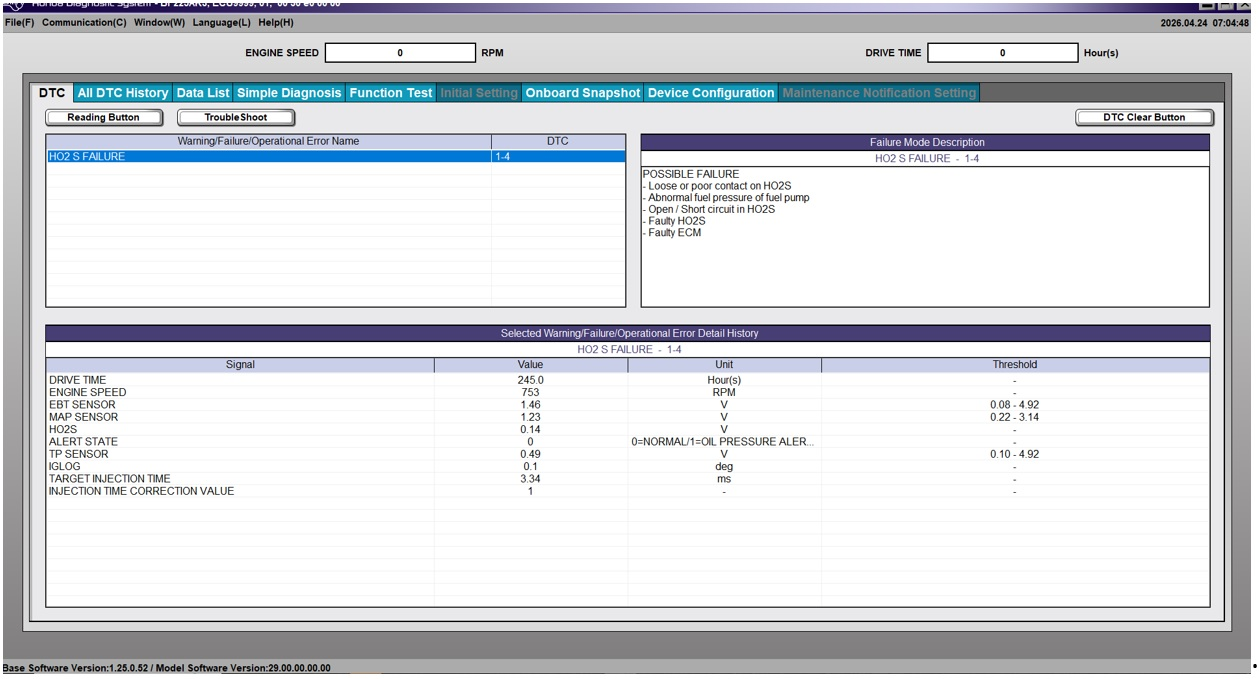
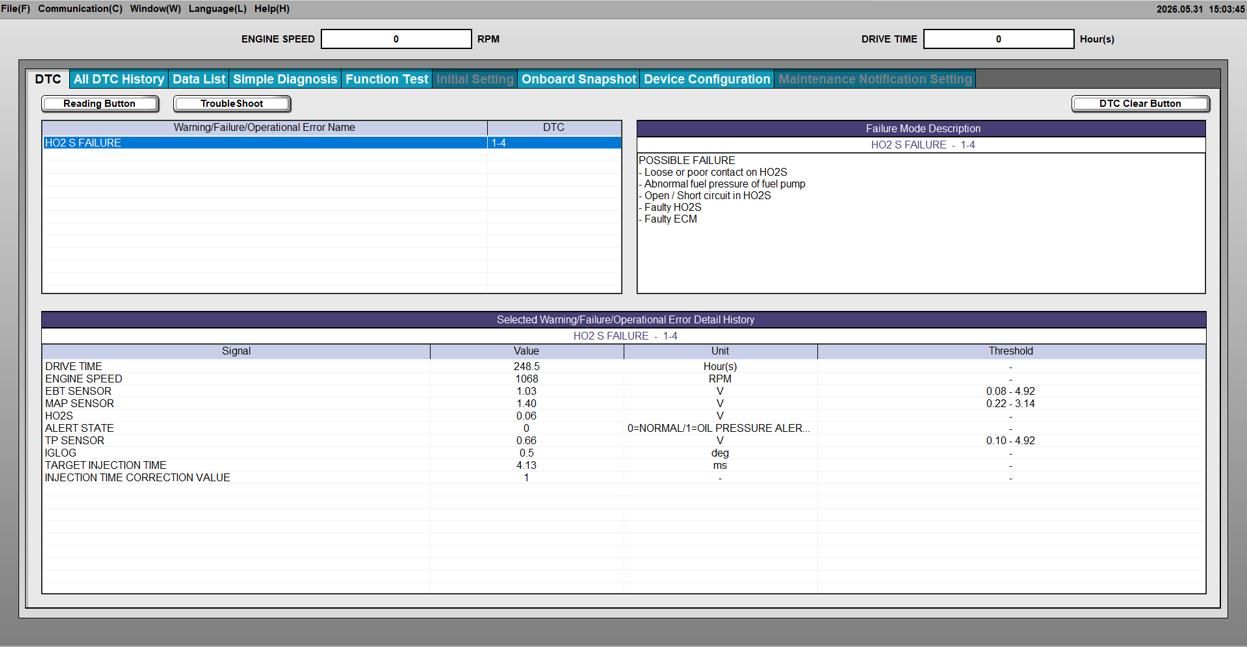
Got it back to the house and hooked it back up to Dr. H and it is showing the same code it did before. Clearing the code with Dr. H does not extinguish the Check engine light.
Where would you smart folks say I should go next?
Ran great first 2 trips then 3rd trip alarmed shortly after I fired it up at the ramp.
Thought it was an overheat issue and did all the stuff to remediate heat but alarm persisted. Ended up getting the Dr. H and ran it and it diagnosed bad O2 sensor. I replaced that and everything seemed good.
Next trip it fired right up and ran great for 30 minutes or so and I slowed down to trolling speed and it ran great for another 45 min to an hour then as I went to throttle up it acted like it had water in the fuel. As I would try to throttle up it would start to die. Bring the throttle back to idle and it would be fine. I was limping it back and of course just as I got to the pass the alarm started going off. Kept it limping until I could get in the pass and to a safe shallow place where I could drop the anchor. I shut it off then just for the heck of it I fired it back up. It fired up throttled up to normal cruise RPM and acted like nothing was wrong at all except the check engine light stayed on.
Got it back to the house and hooked it back up to Dr. H and it is showing the same code it did before. Clearing the code with Dr. H does not extinguish the Check engine light.
Where would you smart folks say I should go next?